

Can Psychiatric Medications Improve Academic Performance When ADHD is Holding Your Child Back?
Attention-Deficit/Hyperactivity Disorder (ADHD) is a common neurodevelopmental condition that affects the ability to regulate attention, impulses and activities. In the classroom, symptoms often show up as:
- Difficulty staying focused on tasks or assignments
- Trouble following instructions or completing tasks
- Impulsivity that disrupts the classroom or peer relationships
- Academic underachievement despite average or above-average intelligence
For many children, these struggles can lead to frustration, low self-esteem and negative school experiences if left untreated.
How Can Psychiatric Medications Help?
Psychiatric medications for ADHD are designed to support brain systems involved in attention, executive functioning, and self-regulation. The most commonly prescribed medications fall into two broad categories:
- Stimulant medications, which help improve focus, attention, and impulse control
- Non-stimulant medications, which may be used when stimulants are not effective or well tolerated
These medications do not “sedate” children or change who they are. Instead, they help reduce core ADHD symptoms so children can better access their skills and abilities—especially in structured learning environments like school.
The Potential Benefits
When carefully prescribed and monitored by a licensed psychiatric professional, ADHD medications can offer meaningful academic benefits, including:
Improving Focus and Attention
Medication can help children focus during lessons, independent work and tests, making it easier to learn and retain information.
Improved Ability to Complete Tasks
Children with ADHD often know what to do but struggle to follow through on this. Medication can support organization, working memory and the ability to complete assignments or tasks.
Less Disruptive Behaviors
By improving impulse control and emotional regulation, medication may decrease classroom disruptions and disciplinary issues.
Increased Confidence and Motivation
As children experience more academic success, they often feel more confident and engaged in school, which can positively affect long-term learning outcomes.
The Benefits of a Combined Approach to Treating ADHD
Medication is most effective when used as part of a combined treatment approach. Mental health providers often recommend combining medication with:
- Behavioral therapy and parental support
- School-based supports or accommodations (such as IEPs or 504 Plans)
- Psychoeducation for children and caregivers
- Ongoing collaboration between families, schools, and clinicians
This comprehensive approach ensures that children receive support across environments—not just symptom reduction, but skill development and emotional well-being.
Common Concerns Deserve to Be Addressed
It’s normal for you to have questions or concerns about psychiatric medications. Common topics include side effects, long-term use and whether medication is truly necessary. A qualified prescribing provider contracted with Carolina Counseling Services will:
- Conduct a thorough evaluation
- Start with the most appropriate, effective dose
- Monitor progress and side effects closely
- Adjust treatment based on your child’s unique needs
Medication decisions are always individualized and collaborative, with your child’s health, development and quality of life as the top priorities.
Is It Time to Consider Medications?
Psychiatric medication may be considered when:
- ADHD symptoms significantly interfere with academic performance
- Behavioral or school-based interventions alone are not sufficient
- Your child experiences ongoing frustration, emotional distress or social difficulties related to ADHD
A comprehensive evaluation can be essential to determine the most appropriate treatment plan.
Helping Your Child to Thrive
With the right combination of professional care, family support and school collaboration, your child can thrive academically and emotionally. Psychiatric medications are not a “quick fix,” but for many children, they are a powerful tool that helps level the playing field and unlock their full potential in school.
If you’re a parent or caregiver seeking guidance, a licensed mental health provider contracted with CCS in Southern Pines, North Carolina can help you explore evidence-based treatment options tailored to your child’s needs.
Carolina Counseling Services contracts with exceptional licensed psychiatric providers and therapists. Reach out now to schedule your child’s first appointment!
Providers are in network with most major insurances including Aetna, Aetna State Health Plan, Blue Cross and Blue Shield of North Carolina (Blue Cross NC), Tricare, Medicaid and many more. Online sessions are also available making getting the quality treatment you deserve easier than ever before!
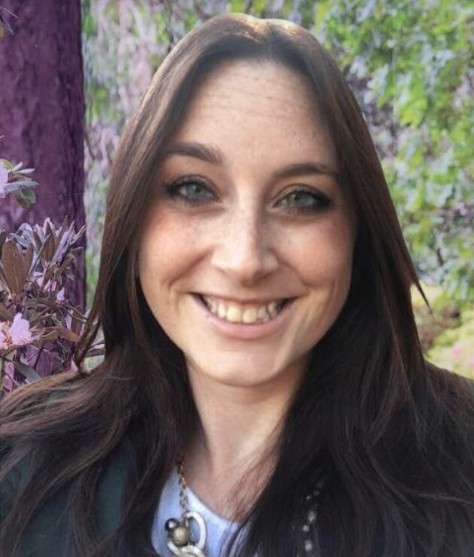
Jaime Johnson Fitzpatrick LCMHCS, LCAS is one of the Owners and Vice Presidents of Carolina Counseling Services. She is a Licensed Clinical Mental Health Counselor and Licensed Clinical Addictions Specialist in the State of North Carolina as well as a Licensed Mental Health Counselor in State of New York. Jaime is also certified in Dialectical Behavioral Therapy and utilizes various other approaches in her practice.

 PO BOX 9909 Fayetteville, NC 28311