

Anxiety Doesn’t Have to Hold You Back At Any Age
“Ilse Telesmanich, 90, sprained her ankle hiking in South Africa last August. She tried to keep going on the three-week trip, she said, hobbled as she was, … I got very good at hopping on one foot the last time I sprained it,” reports The New York Times.
Feats like this are amazing regardless of age, however, when a 90 year old woman accomplishes something like this it can amaze young people and inspire older adults. Age does not have to stand in your way, neither does anxiety!
The Silent Giant
Anxiety is a silent giant, says Dr. Keri-Leigh Cassidy of MedScape. It is an emotional condition that was once thought to be a common issue reserved for younger people or that the risks of developing anxiety decline with age. Studies are showing that this isn’t so. Anxiety affects 10 to 20 percent of older adults, and is “twice as common as dementia (8%) and four to eight times more prevalent than major depressive disorder (1-3%).”
Later-life anxiety is considered “silent” because it often goes undiagnosed. Anxiety symptoms are frequently missed as they can overlap with symptoms of other medical concerns. Many older adults, their families and doctors can be confused, thinking anxiety symptoms are secondary to certain medical conditions, side effects of medications or a changed behavior related to aging.
Dr. Cassidy also says that the underlying aspect of anxiety includes “hypervigilance to threat, seeing oneself as vulnerable, and perceiving the demands of life as exceeding the available resources to cope.” Anxiety can be powerful, though knowledge is power. The more you know about anxiety, the easier it may be to spot anxiety and overcome it.
Is Anxiety Leaving You Feeling Incapacitated?
Anxiety can leave you feeling dependent on others, restricting your ability to perform activities on your own. It can lower your desire to treat medical conditions, thereby increasing the possibility of a hospital stay or residential care admission. It can impair your memory, potentially resulting in poor self-perception, increased social withdrawal, and therefore, decrease your overall quality of life. All of this can stand in the way of an active life.
Anxiety can similarly put you at a greater risk for depression, says the Longitudinal Aging Study Amsterdam. They say that “48% of older persons with primary major depressive disorder (MDD) also had a comorbid anxiety disorder, whereas approximately one-fourth of those with anxiety disorders also had MDD (major depressive disorder).” Without diagnosis and treatment, anxiety usually worsens, particularly when it is comorbid (occurring with another disorder).
The co-occurrence of anxiety and depression can lead to the persistence and worsening of other symptoms.
Don’t Ignore Symptoms of Anxiety
Early diagnosis and treatment is important. More than pursuing an active lifestyle, a healthy mind and emotions can give you a rewarding quality of life beyond retirement. This entails knowing and recognizing the signs and symptoms of anxiety. For instance, not dismissing excessive worrying, it may be an early sign that you need help. The lesson is: don’t ignore unusual feelings or thoughts.
According to the Anxiety and Depression Association of America (ADAA), older adults with Generalized Anxiety Disorder can experience extreme and persistent worry, even when there is no specific cause for concern. Other symptoms include restlessness, being easily exhausted, difficulty focusing, muscle tension, insomnia, and increased or pronounced irritability.
Recapturing Adventure with Proper Mental Health Care
Getting older can bring about changes in your body, but it does not have to deter you from engaging in what you used to enjoy when you were younger. Travel made it possible for so many to “live life to the fullest.” To recapture your sense of adventure, however, you must stop anxiety from hindering your spirit.
You can do it! Let the story about Ilse Telesmanich, and others like her, inspire you to embark on an adventure of your own.
Anxiety can be overwhelming, but it is treatable. Combining therapy and psychiatric medication management can be an effective way to treat and overcome anxiety.
If you are looking for exceptional mental health care in Southern Pines, North Carolina look no further than Carolina Counseling Services. CCS contracts with effective licensed therapists and psychiatric professionals.
Providers are in network with most major insurances including Aetna, Aetna State Health Plan, Blue Cross and Blue Shield of North Carolina (Blue Cross NC), Tricare, Medicaid and more. Providers are available in person and online counseling is available anywhere in North Carolina. Call CCS today to get started!
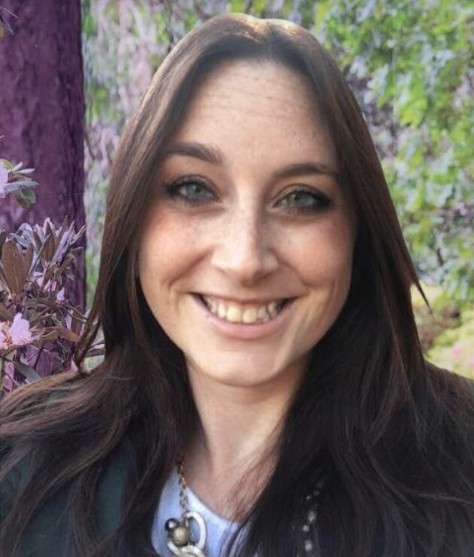
Jaime Johnson Fitzpatrick LCMHCS, LCAS is one of the Owners and Vice Presidents of Carolina Counseling Services. She is a Licensed Clinical Mental Health Counselor and Licensed Clinical Addictions Specialist in the State of North Carolina as well as a Licensed Mental Health Counselor in State of New York. Jaime is also certified in Dialectical Behavioral Therapy and utilizes various other approaches in her practice.

 PO BOX 9909 Fayetteville, NC 28311