

How Depression Can Affect the Family
Depression is more than just an individual mental health condition—it can impact the entire family system. When one person struggles, the effects often ripple outward, influencing relationships, communication, and overall emotional well-being.
At its core, depression affects thoughts, emotions, and physical health. But it also changes how people connect with those closest to them. That’s why many mental health professionals emphasize that depression is not just personal—it’s relational.
Is Depression a Family Issue?
Research shows that depression can have a hereditary component, meaning it may affect multiple members within the same family. Studies show that up to 50% of cases of depression are genetic. While this may be true, genetics are only part of the story. Shared environments, communication patterns, and stressors can also contribute to how depression develops and spreads within a household.
Because of this, treating depression sometimes requires more than individual therapy. Family counseling can be a powerful way to address the broader impact and begin healing together.
The Impact of Depression on Family Dynamics
Depression doesn’t exist in isolation—it often influences the emotional climate of an entire home. Families may notice:
- Increased tension or conflict
- Withdrawal from conversations or activities
- Irritability or emotional outbursts
- Misunderstandings and communication breakdowns
- Emotional exhaustion among family members
In many cases, depression can feel “contagious”, affecting the mood and energy of everyone in the household. One person’s struggle may unintentionally lead others to feel overwhelmed, frustrated, or helpless.
Withdrawal and Disconnection
A common symptom of depression is social withdrawal. Someone experiencing depression may isolate themselves, avoid interaction, or struggle to express their feelings. This can leave loved ones feeling shut out or unsure how to help.
Irritability and Conflict
Depression isn’t always expressed as sadness—it can also show up as irritability or anger. This may lead to arguments, hurt feelings, or ongoing tension within the family.
Even strong, healthy families can begin to experience increased conflict when depression is present, ranging from minor frustrations to deeper, unresolved resentment.
Families as a Source of Healing and Support
While depression can strain relationships, families also have the potential to be one of the greatest sources of support and healing.
With the right guidance, families can:
- Improve communication
- Build empathy and understanding
- Develop healthier coping strategies
- Strengthen emotional bonds
- Create a more supportive home environment
Rather than allowing depression to divide the family, therapy can help transform it into an opportunity for growth and connection.
How Family Therapy Can Help
Family therapy provides a safe, structured space for everyone to be heard and understood. A trained therapist can help identify patterns, reduce conflict, and guide families toward healthier ways of relating to one another.
Family counseling may focus on:
- Open and effective communication
- Conflict resolution skills
- Understanding depression and its symptoms
- Supporting a loved one without burnout
- Rebuilding trust and connection
Supporting someone with depression can be emotionally demanding, but you don’t have to navigate it alone.
Get Support for Your Family
If depression is affecting your family, seeking professional help can make a meaningful difference. With the right therapist, your family can learn to manage challenges together and rebuild stronger, healthier relationships.
Carolina Counseling Services in Southern Pines, North Carolina contracts with licensed therapists and prescribers who provide care in a safe, supportive, and nonjudgmental environment. Counseling and psychiatric medication management are powerful interventions in treating depression. Reach out to CCS today to schedule your first appointment!
Services are confidential whether they are in person or online. All online sessions are through HIPAA compliant, secure platforms. Providers are in network with most major insurances including Aetna, Aetna State Health Plan, Blue Cross and Blue Shield of North Carolina (Blue Cross NC), Tricare, Medicaid and many more.
Related Articles:
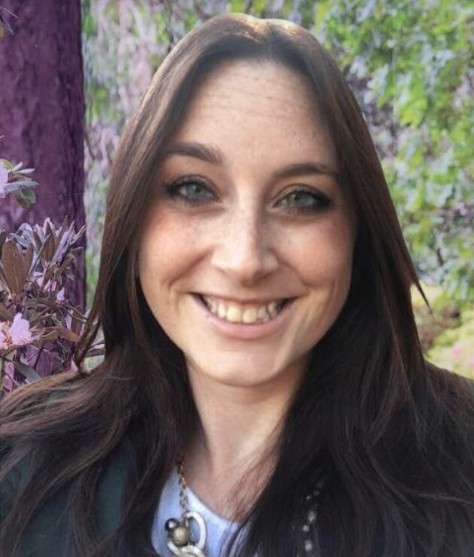
Jaime Johnson Fitzpatrick LCMHCS, LCAS is one of the Owners and Vice Presidents of Carolina Counseling Services. She is a Licensed Clinical Mental Health Counselor and Licensed Clinical Addictions Specialist in the State of North Carolina as well as a Licensed Mental Health Counselor in State of New York. Jaime is also certified in Dialectical Behavioral Therapy and utilizes various other approaches in her practice.

 PO BOX 9909 Fayetteville, NC 28311