

Feeling The Stresses of PCS Moves? Counseling Can Help
Permanent Change of Station (PCS) moves are a common yet stressful part of military life. Whether you’re relocating across the country or across the world, the transition can be overwhelming for everyone involved. The logistical challenges, emotional strain, and uncertainty of moving can take a significant toll on your mental health. Fortunately, therapy can help you to manage the stress and navigate these transitions with greater resilience.
Understanding PCS Stress
PCS-ing involves relocating to a new duty station. While it can be an exciting opportunity in some aspects, moving can be incredibly stressful. A recent study found that some rank moving as more stressful than divorce. Some of the most common challenges include:
1. Emotional Toll on Families
PCS moves are not just a career change for military personnel; they often require the whole family to adjust. Spouses and children must adapt to new schools, jobs, homes, and social circles. This disruption can lead to feelings of isolation, anxiety, and depression. The fear of leaving behind friends and familiar surroundings can be emotionally overwhelming for children, in particular.
2. Logistical and Financial Challenges
The logistics of a PCS can be complex and time-consuming. From arranging the transport of household goods to managing the paperwork and housing arrangements at the new duty station, it’s easy to feel buried under the weight of responsibilities. Financial stressors often accompany these moves as well, with unforeseen expenses and potential delays in pay or reimbursements.
3. Uncertainty and Adjustment to New Environments
Moving means adapting to a completely new environment, including unfamiliar living conditions, different cultures, and new work dynamics. The uncertainty of not knowing what to expect can create a sense of instability and heightened anxiety, especially for those making international moves.
4. Separation from Loved Ones
Military families often face extended periods of separation due to deployment or training, but a move can add another layer of strain. While some may be relocating together, others may have to part ways temporarily as family members adjust to new jobs, schools, or homes. This separation can intensify feelings of loneliness and stress.
How Counseling Can Help
During a PCS, therapy can play a crucial role in helping you to manage the transition with a sense of stability and well-being. Counseling can address the various emotional, psychological, and logistical challenges associated with the move in the following ways:
1. Providing Emotional Support
Relocating can cause feelings of anxiety, sadness, and uncertainty. Counseling offers a safe space for everyone to express these emotions and work through difficult feelings. A counselor can provide validation, encouragement, and coping strategies to help you, and your family, manage the emotional toll of the move.
2. Helping Families Adjust
Counseling is particularly helpful in helping you and your family adjust to the changes that come with a PCS move. Family therapy can strengthen communication, provide conflict resolution strategies, and help family members navigate the stress of the move together. Counselors can also work with children to help them adjust to their new environment, manage anxiety, and find ways to build new friendships.
3. Managing Anxiety and Stress
PCS-ing often triggers heightened anxiety due to the uncertainty and change involved. Counseling can offer effective stress management techniques, such as mindfulness, relaxation exercises, and cognitive-behavioral strategies, to help you cope with anxiety during this transition. These tools can be invaluable in helping your families stay calm and focused amidst the chaos of a move.
4. Creating a Healthy Routine
Moving to a new duty station means adjusting to new schedules, which can disrupt your daily routines. Counseling can help you and your family establish healthy routines that support both physical and mental well-being. This includes setting realistic goals, staying connected with loved ones, and making time for self-care during this adjustment period and beyond.
5. Providing Guidance on Financial and Logistical Matters
Though counselors primarily focus on emotional support, they can also guide you through the financial and logistical challenges associated with moving. Carolina Counseling Services contracts with licensed therapists who understand military-related transitions and are familiar with the complexities associated. Counseling can help reduce the overwhelming nature of these tasks by providing practical support.
6. Supporting Resilience and Positive Mindset
One of the greatest benefits of therapy is helping you to build resilience during challenging times. Through counseling, you can develop a more positive mindset, reframe negative thoughts, and strengthen your ability to cope with future challenges. Building resilience not only aids in the current move but also sets you up for greater success in future transitions.
The Support You Deserve When Adjusting to PCS-ing
PCS moves are a significant part of military life, but the stresses that come with them don’t have to be faced alone. Counseling offers invaluable support in helping service members and their families navigate the emotional, logistical, and psychological challenges of relocation. By seeking professional help, you can better manage the stresses of a PCS-ing, build resilience, and ultimately thrive in your new environment.
If you’re facing the challenges of a PCS, you don’t have to face them alone. CCS in Southern Pines , NC contracts with exceptional licensed therapists who are in network with Tricare and many other insurances. Reach out to CCS today to schedule your first appointment. Online appointments are also available making getting the quality treatment you deserve easier than ever before!
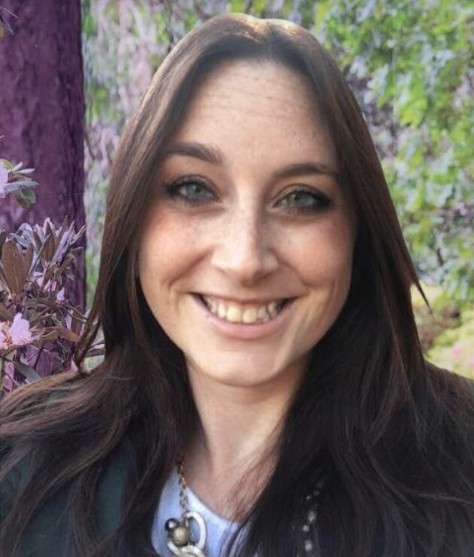
Jaime Johnson Fitzpatrick LCMHCS, LCAS is one of the Owners and Vice Presidents of Carolina Counseling Services. She is a Licensed Clinical Mental Health Counselor and Licensed Clinical Addictions Specialist in the State of North Carolina as well as a Licensed Mental Health Counselor in State of New York. Jaime is also certified in Dialectical Behavioral Therapy and utilizes various other approaches in her practice.

 PO BOX 9909 Fayetteville, NC 28311