

The Mental Health Effects of Spring Daylight Saving Time: What to Know and How to Cope
Each spring, we move the clocks forward for Daylight Savings Time, gaining longer evenings but losing an hour of sleep. While many people look forward to brighter days, the transition itself can temporarily disrupt sleep, mood, and overall emotional well-being.
For some individuals, especially those already navigating anxiety, depression, or high stress, the time change can feel surprisingly destabilizing. Understanding why this happens can help you respond with intention instead of self-criticism.
Why the Spring Time Change Affects Mental Health
Your body operates on a circadian rhythm—an internal clock that regulates sleep-wake cycles, hormone production, appetite, and mood. When the clock suddenly shifts forward, your internal rhythm doesn’t immediately reset.
This misalignment can cause:
- Trouble falling asleep
- Lighter or fragmented sleep
- Morning fatigue
- Brain fog
- Heightened stress response
Even one hour of lost sleep can affect the brain’s ability to regulate emotions effectively.
Common Emotional Responses After “Springing Forward”
Increased Anxiety
Sleep disruption can activate the body’s stress system. You might notice:
- Racing thoughts
- Physical tension
- Restlessness
- Feeling overwhelmed more easily
When you’re tired, your nervous system has less capacity to manage everyday stressors.
Low Mood or Decreased Motivation
Circadian rhythm disruption is closely linked to depressive symptoms. After the shift to Daylight Saving Time, some people report:
- Lack of energy
- Reduced interest in usual activities
- Changes in appetite
- Difficulty concentrating
Those living with Seasonal Affective Disorder may be especially sensitive to seasonal light changes and sleep shifts.
Irritability and Emotional Sensitivity
Fatigue can lower frustration tolerance and increase emotional reactivity. Small inconveniences may feel larger than usual, and conflicts can escalate more quickly.
This reaction is not a personal flaw—it’s a biological response to sleep disruption.
The Impact on Families
Children and teens are particularly vulnerable to sleep changes. After the time shift, parents often observe:
- Mood swings
- Difficulty waking up
- Trouble focusing in school
- Increased bedtime resistance
Adolescents, whose natural sleep cycles already run later, often feel the strain of earlier wake times most intensely.
Why Longer Evenings Don’t Instantly Improve Mood
Although extended daylight can eventually support outdoor activity and improved mood, the adjustment period matters. There’s no such thing as a quick fix! Darker mornings can make waking more difficult and reduce exposure to early-day sunlight—an important cue for regulating mood and alertness.
The benefits of longer evenings often take time to balance out the initial disruption.
How to Support Your Mental Health During the Transition
While you can’t avoid the clock change, you can support your body’s adjustment:
Gradually Shift Your Schedule
Move your bedtime 15–30 minutes earlier in the days leading up to and following the change.
Prioritize Morning Light
Get outside within an hour of waking. Natural light helps reset your circadian rhythm.
Create a Calming Evening Routine
Reduce screen time before bed and engage in relaxing activities to signal your body it’s time to sleep.
Maintain Consistency
Keep meal times, exercise, and daily routines steady to anchor your internal clock.
Practice Self-Compassion
Recognize that adjustment may take one to two weeks. Lower expectations and give yourself grace.
When Additional Support May Help
If mood changes persist, anxiety increases significantly, or depressive symptoms intensify beyond a short adjustment period, it may be beneficial to seek professional support.
Therapy can help you:
- Strengthen coping skills
- Improve sleep hygiene
- Manage anxiety and mood fluctuations
- Build resilience during seasonal transitions
Psychiatric medication management can:
- Treat underlying psychiatric conditions
- Help to improve mood
- Improve your sleep
- Increase energy
Sometimes, seasonal disruptions reveal deeper patterns of stress or burnout that deserve attention. They can even begin to make symptoms of a mental health condition like depression or anxiety more noticable. Combining therapy and medication management can be a powerful way to treat any underlying symptoms making DST even harder to adjust to.
A Gentle Reminder
The start of Daylight Saving Time is more than a simple shift of the clock—it’s a shift in your body’s rhythm. If you feel more tired, emotional, or anxious this time of year, your experience is valid.
With awareness, intentional self-care, and support when needed, you can navigate the spring transition in a way that protects and prioritizes your mental health.
Carolina Counseling Services in Southern Pines, North Carolina contracts with licensed therapists and psychiatric professionals who can help. Reach out to CCS today to schedule your first appointment!
Providers are in network with most major insurances including Aetna, Aetna State Health Plan, Blue Cross and Blue Shield of North Carolina (Blue Cross NC), Tricare, Medicaid and many more. Online appointments are also available making getting the quality treatment you deserve easier than ever before! All online services are delivered through HIPAA compliant, secure platforms.
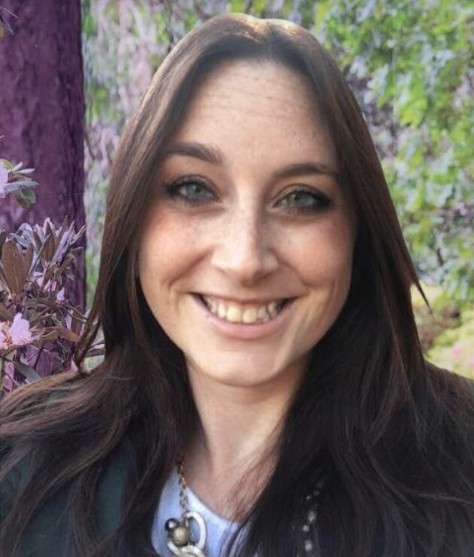
Jaime Johnson Fitzpatrick LCMHCS, LCAS is one of the Owners and Vice Presidents of Carolina Counseling Services. She is a Licensed Clinical Mental Health Counselor and Licensed Clinical Addictions Specialist in the State of North Carolina as well as a Licensed Mental Health Counselor in State of New York. Jaime is also certified in Dialectical Behavioral Therapy and utilizes various other approaches in her practice.

 PO BOX 9909 Fayetteville, NC 28311