

5 Ways to Stop Panic Attacks in Their Tracks
Panic attacks can feel terrifying and overwhelming. Despite how powerful they can be, you are not powerless. These attacks are not necessarily dangerous, though they certainly can feel that way!
The Mayo Clinic highlights that some research shows that panic attacks involve our fight or flight response. It is natural to have this response triggered in the face of true danger, however, sometimes the wires can get crossed and we experience these reactions to things that are not necessarily threatening. Learning about what you can do when you experience panic can help you to decrease the frequency and intensity of attacks.
What Can You Do When You Start to Have a Panic Attack?
1. Identify What You Are Experiencing
When you can identify in real time that you are having a panic attack you can reduce the fear associated. Panic attacks can feel a lot like a heart attack which can further cause panic. It can feel like a vicious cycle. Being able to say “I am having a panic attack, it will pass” can decrease the hold that this experience has on you.
2. Focus on Your Breathing
One of the most effective ways to calm a panic attack is to control your breath:
- Inhale slowly through your nose for 2-4 seconds
- Hold for 2-4 seconds
- Exhale gently through your mouth for 2-4 seconds
- Repeat until your breath feels more steady
Hyperventilating is common with panic attacks, by learning to control your breath you can head off panic. The reason I recommend 2-4 seconds is because we need this skill when we are having a difficult time breathing. Starting with 4 seconds can feel like too much. Start with 2, then move to 3 then you can move on to 4. Maryland Primary Care and Wellness offers some additional breathing exercises that can be helpful.
3. Using Your 5 Senses as Grounding
Grounding techniques help bring your attention back to the present. Try the 5-4-3-2-1 Method:
- Identify 5 things you can see
- Name 4 things you can touch
- What are 3 things you can hear?
- Identify 2 things you can smell
- What is 1 thing you can taste?
The beauty of this exercise is that it can shift your focus from what is causing panic to your surroundings. This break can be enough to pull you out of panic.
4. Progressive Relaxation
During a panic attack, your muscles tense right up. Try progressive muscle relaxation: tense and release each muscle group in your body, starting from your toes and working up. WebMD breaks this technique further down to help you find ways to let go of tension even during an anxiety attack.
5. Use Prepared Statements
Having statements or phrases that are meaningful to you “on deck” can help you when you begin to feel panic rising. If you Google “affirmations” you can find endless lists of things that can be grounding. Pick phrases that are meaningful to you and have them ready for when you are feeling anxious. This can be grounding and calming all at the same time.
6. Know When to Seek Help
Panic attacks are powerful but you are not powerless. You can overcome panic and begin feeling more like yourself again. If your panic attacks are becoming more frequent and overwhelming, therapy and psychiatric medication management can help. Cognitive Behavioral Therapy (CBT) can be particularly effective, especially when combined with psychopharmacology.
Getting the Help You Deserve
There are ways to stop panic attacks, however, they can be difficult to implement on your own. Carolina Counseling Services in Southern Pines, North Carolina contracts with skilled licensed therapists and psychiatric professionals who know how to treat panic. You aren’t alone. Call CCS today to schedule your first appointment.
Providers are in network with most major insurances including Aetna, Aetna State Health Plan, Blue Cross and Blue Shield of North Carolina (Blue Cross NC), Tricare, Medicaid and more. Online appointments are available as well making getting the care you need and deserve easier than ever before!
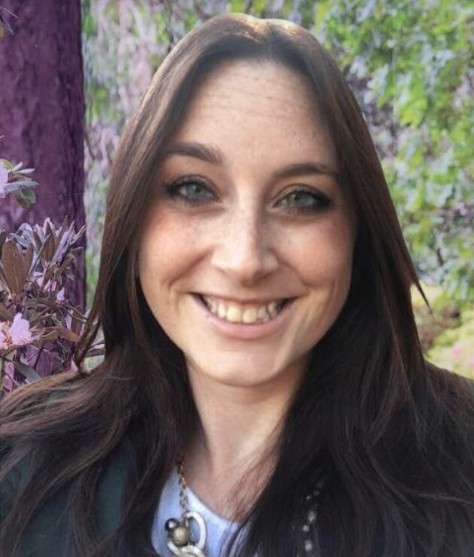
Jaime Johnson Fitzpatrick LCMHCS, LCAS is one of the Owners and Vice Presidents of Carolina Counseling Services. She is a Licensed Clinical Mental Health Counselor and Licensed Clinical Addictions Specialist in the State of North Carolina as well as a Licensed Mental Health Counselor in State of New York. Jaime is also certified in Dialectical Behavioral Therapy and utilizes various other approaches in her practice.

 PO BOX 9909 Fayetteville, NC 28311