

Ending It: A Real Conversation We Need to Have
Audio Version
Let’s be honest, talking about suicide is uncomfortable. Even hearing the word can create that tight feeling in your chest… the fear, the sadness, the worry that someone you love might be hurting more than you realized. Whether you’re the person struggling or the one trying to support someone else, this topic hits deep.
Most people avoid saying the word “suicide” because it feels too heavy, too real, too risky. But avoiding the conversation doesn’t make the pain disappear. It only makes people feel more alone in what they’re carrying.
And here’s the part we don’t talk about enough, when someone finally shares suicidal thoughts, that’s not the beginning of the struggle, it’s a sign they’ve been trying to hold it together for a very long time.
We’ve Got to Drop the Whispering
No more tiptoeing. No more “let’s not talk about that.”
Real support starts with direct conversations said with softness and care.
Because when someone tells you they’re thinking about suicide, they’re not being dramatic or seeking attention. They’re exhausted. They’re overwhelmed. They’re hurting. And they’re trusting you with something incredibly vulnerable.
Pain builds slowly, through daily stress, depression, grief, trauma, medical issues, and long periods of feeling unseen or unsupported. This is why we can’t minimize or brush off these moments. They matter.
For more understanding of warning signs and risk factors, the American Foundation for Suicide Prevention (AFSP) provides accessible, research‑based guidance.
The Stigma is Getting Better… but We Still Have Work to Do
Even with all our progress, people still convince themselves they’re a burden. They worry therapy time should go to “someone who’s worse off.” They assume reaching out means weakness.
But let’s be clear:
Your feelings deserve space. Your voice deserves care. You deserve help.
And if you’re supporting someone else, you don’t have to have the perfect words. What matters is that you stay present, listen, and take them seriously.
The National Institute of Mental Health (NIMH) also emphasizes that open conversations and early support significantly reduce risk:
You’re Not Alone, Carolina Counseling Services Southern Pines Is Here to Help
At Carolina Counseling Services in Southern Pines, NC, we show up for these conversations with compassion, steadiness, and no judgment. Whether you’re the one struggling or you’re the person trying to support someone you love, you don’t have to figure this out alone.
Clients come to us from across Lumberton, Rockingham, and the wider Moore County area because they’re looking for grounded, supportive therapy that meets them where they are, not where they “should” be.
We offer a safe place to talk honestly, unpack what hurts, and build a path forward that feels doable and hopeful again.
We can provide services for individuals with Aetna, Aetna State Healthplan, Blue Cross Blue Shield of North Carolina, Tricare, and many of the Medicaid policies to include Alliance, Carolina Complete Health, Wellcare, Healthy Blue, and United Healthcare insurance.
If you or someone you care about is struggling, please don’t wait. Reaching out is not a burden, it’s a brave step, and our trained therapists and psychiatric medication management providers will meet you with care. You matter here.
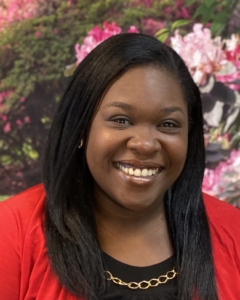
Ebone L. Rocker, LCMHCS, is one of the Owners and Vice Presidents of Carolina Counseling Services. She is a Licensed Clinical Mental Health Counselor Supervisor in the State of North Carolina.

 PO BOX 9909 Fayetteville, NC 28311