

The ABCs of Anxiety in Women
Anxiety Disorders are the most common mental health disorder in the United States. While these disorders are common, they tend to impact women more than men. The Anxiety and Depression Association of America cites that in the past year the prevalence of anxiety disorders was 23.4% for females and 14.3% for men. Briefly explained, these mental health conditions are related to extreme worry or panic. There are various types, the most common ones are Generalized Anxiety Disorder (GAD), Social Anxiety Disorder, Separation Anxiety, panic disorder, Agoraphobia, as well as other detailed phobias.
While anxiety can be overwhelming and feel paralyzing at times, it is treatable. A comprehensive treatment approach including therapy and psychiatric medication management is often most effective.
Hormones and Anxiety
It has been observed that the development of anxiety is more prevalent among women. Northwell Health reports that before puberty, the rates of anxiety and depression are quite similar for both genders. Rates then increase for women and then become comparable again after menopause. This leads one to believe that hormones play a role in the development of anxiety disorders.
Women also experience hormonal changes related to childbirth. According to ADAA, “The high hormonal changes and fluctuations that occur during and after childbirth could cause mothers to feel intense mood swings called “the baby blues” which affects 80% of mothers.”
It’s More Than Just Hormones
If it is still confusing you why girls and women are more likely to experience anxiety, you are not alone. While hormone fluctuations play a role in rates of anxiety, they are not the sole cause.
Northwell Health points out some additional factors that can play a role including;
- Pressures and expectations are different for women which can increase rates of anxiety
- Stress levels can be different and impact women differently
- Studies have shown that women can be more invested in interpersonal relationships which can lead to greater stress, while it can also lead to feeling more supported as well
- Prolonged elevated stress can lead to other conditions
Another factor that can play a role is the fact that women are more likely than men to seek mental health treatment. This can also contribute to higher reported rates of anxiety among women and even skew these statistics.
Symptoms of Anxiety
Anxiety can affect the quality of your life and relationships if not addressed properly. Since there are so many types of anxiety, it is helpful to be familiar with the symptoms. Common symptoms to watch out for according to The Mayo Clinic are:
- Feeling nervous, restless or tense
- Having a sense of panic or doom
- Increased heart rate (with no physical cause)
- Hyperventilating (rapid breathing)
- Sweating
- Trembling
- Feeling weak or tired
- Difficulty concentrating
- Sleep issues
- Stomach problems (without other cause)
- Difficulty controlling worry
Anxiety disorders can be remarkably overwhelming, however, they are treatable with proper interventions.
Treating Anxiety Disorders Effectively
If you feel that anxiety is something that you or a loved one struggles with, counseling and medication management can help. Overcoming anxiety is possible.
Therapy can be an effective intervention to treat most anxiety disorders. When you find the therapist that is right for you you can begin to identify your triggers to anxiety and develop effective skills to eliminate the hold it has on you and your life. Cognitive Behavioral Therapy (CBT) and Dialectical Behavioral Therapy (DBT) can be effective approaches.
Psychiatric medications can also make a world of difference. While therapy is extremely effective, it can be hard to use the skills you learn if you are experiencing intense panic and overwhelming anxiety. Proper medication management can decrease the frequency and intensity of your symptoms so that you can continue to make progress in therapy.
If you are ready to address your anxiety symptoms Carolina Counseling Services in Southern Pines, North Carolina is here to help. CCS contracts with skilled licensed therapists and psychiatric professionals. If you are looking for exceptional psychiatric care in Southern Pines, NC call CCS today!
Providers are in network with most major insurances including Aetna, Aetna State Health Plan, Blue Cross and Blue Shield of North Carolina (Blue Cross NC), Tricare, Medicaid and many more. Online appointments are available making getting the care you need and deserve from anywhere in North Carolina easier than ever before!
Related Articles:
- Understanding Anxiety: A Step Toward a Better Life
- You Can Do It: Overcoming Worry and Fear Now!
- It is Time To Let Go: Talk To An Expert
- Anxiety | Managing The Silent Giant In Your Senior Years
- Freeing Your Marriage From the Negativity of Anxiety
- Infertility: A Source of Stress Leading to Depression or Anxiety
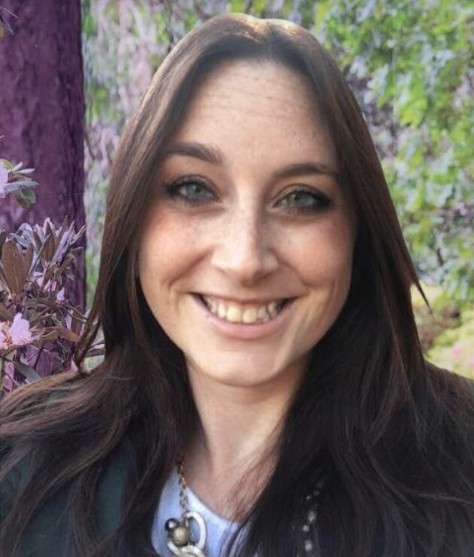
Jaime Johnson Fitzpatrick LCMHCS, LCAS is one of the Owners and Vice Presidents of Carolina Counseling Services. She is a Licensed Clinical Mental Health Counselor and Licensed Clinical Addictions Specialist in the State of North Carolina as well as a Licensed Mental Health Counselor in State of New York. Jaime is also certified in Dialectical Behavioral Therapy and utilizes various other approaches in her practice.

 PO BOX 9909 Fayetteville, NC 28311